Practical Tips for Organizing Local Concerts
Organizing a local concert can be a fulfilling venture that brings communities together. However, it requires careful planning and strategic execution. This article discusses practical tips to help you successfully navigate the process of organizing concerts tailored for a 40–60 audience in the U.S.
Understanding the Basics
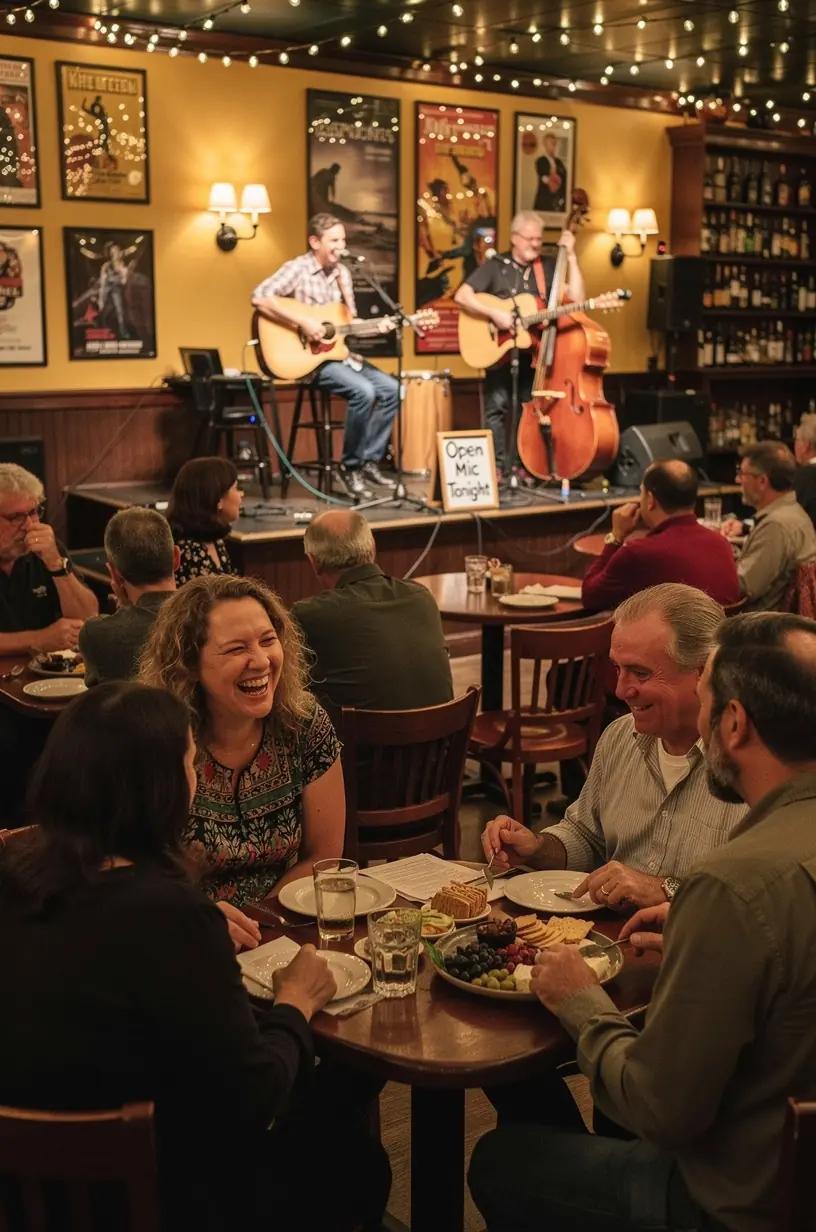
To effectively organize a concert, it's essential to grasp the fundamental components that contribute to a successful event. According to industry experts, understanding your target audience is crucial. For concerts aimed at those aged 40–60, consider their musical preferences, social habits, and lifestyle choices. Research indicates that tailored marketing strategies can improve attendance rates by as much as 25% in similar contexts.
"The key to a successful concert often lies in how well you understand your audience's needs and preferences." - Concert Management Expert
Planning Your Concert
Planning a concert typically involves several steps, each requiring careful consideration:
- Set Clear Objectives: Define what you want to achieve with the concert. Is it to promote local artists? Raise funds for a cause? Many successful organizers recommend having a clear goal to guide your decisions.
- Choose a Suitable Venue: Selecting an appropriate venue is critical. Look for spaces that cater to your target demographic and have the necessary facilities. In most cases, venues with a capacity of 200-500 are ideal for intimate concerts.
- Book Artists Wisely: Selecting the right performers can significantly impact the concert's success. Research shows that booking local artists with a following can drive ticket sales, particularly when they have a connection to the community.
- Marketing and Promotion: Develop a marketing plan that includes social media, local newspapers, and community boards. Experts suggest that a multi-channel approach often leads to better reach and engagement.
- Logistics Management: Considerations such as sound equipment, lighting, and seating arrangements are vital. It's advisable to work with professionals for technical aspects, as this can improve the overall experience for attendees.
Engaging Your Audience
Creating a memorable experience for your audience can foster community spirit and enhance future event turnout:
- Interactive Activities: Incorporate activities that engage attendees, such as meet-and-greet sessions with artists or themed nights that resonate with your audience's interests.
- Post-Event Feedback: Collecting feedback post-concert can provide valuable insights. Many organizers find that understanding attendee experiences helps refine future events.
- Sustaining Relationships: Building a mailing list for future events not only keeps your audience engaged but also fosters a community around your concerts.
Conclusion
Organizing local concerts involves a blend of creativity, planning, and execution. By understanding your audience, setting clear objectives, and paying attention to logistical details, you can create enjoyable experiences that resonate with the 40–60 demographic. Remember, while challenges may arise, the joy of bringing people together through music is often worth the effort. By prioritizing education and thoughtful planning, you can pave the way for successful local concerts in your community.
Discover More