Exploring the Evolution of Live Music Venues
Live music venues have transformed significantly over the years, adapting to the changing tastes and preferences of audiences, especially for those aged 40 to 60. This article will explore the evolution of these venues, their importance in fostering community, and how they continue to provide memorable experiences.
The Historical Context
The journey of live music venues can be traced back to the early 20th century when jazz clubs began to thrive in urban areas. According to historical studies, these early venues were crucial in shaping the music industry by providing artists a platform to perform and connect with their audience. Over time, the emergence of rock and folk music in the 1960s and 70s brought about a new wave of venues, such as large concert halls and outdoor festivals.

"Live music venues not only provide entertainment but also play a pivotal role in cultural exchanges and community building."
The Modern-Day Venue
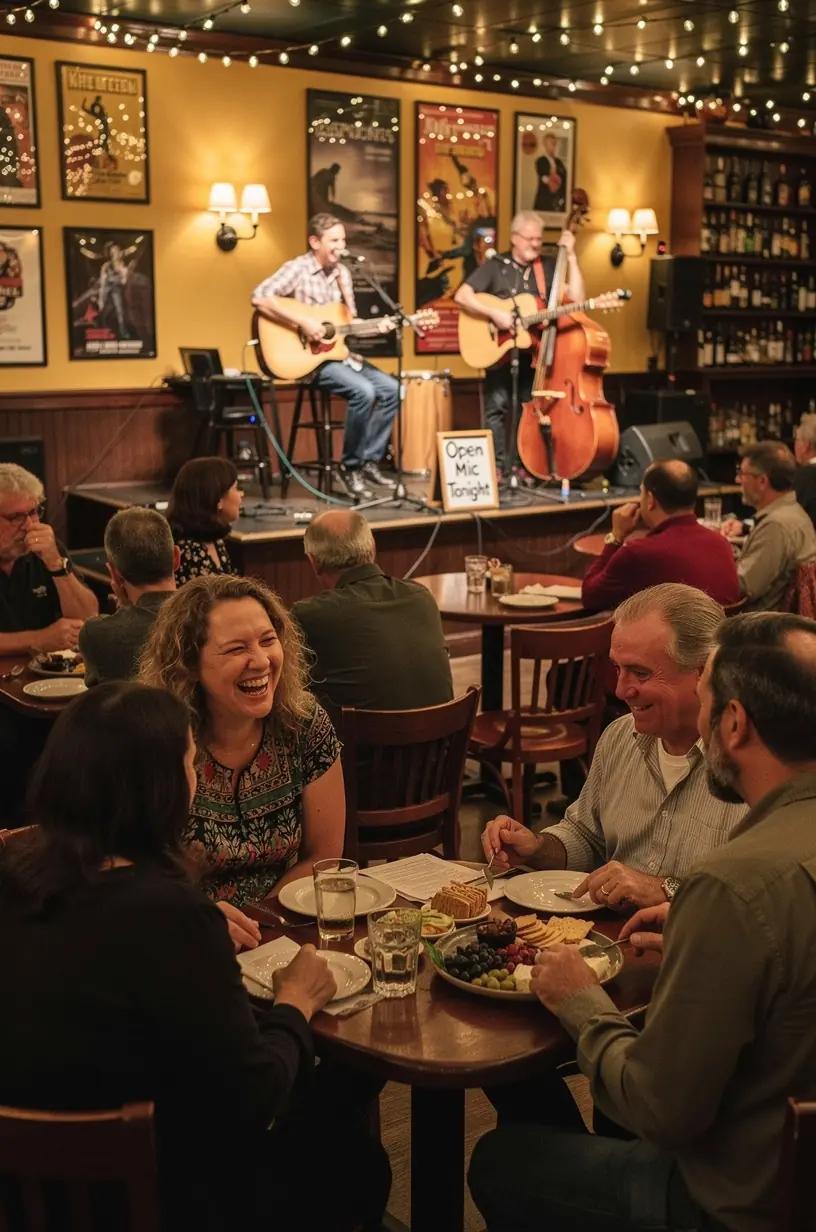
Today, live music venues cater to a wide array of genres and audiences. For those in the 40 to 60 age bracket, venues often focus on nostalgia, featuring music from past decades. Industry experts suggest that this demographic typically seeks a comfortable atmosphere where they can enjoy performances while reliving fond memories.
Typology of Venues
- Intimate Clubs: Smaller venues that provide a close-up experience with artists. Many users report that these settings facilitate a personal connection between performers and audience members.
- Mid-Sized Theaters: These venues often host tribute bands and classic rock acts, which are particularly appealing to a slightly older crowd.
- Outdoor Festivals: Seasonal events that attract large audiences and typically feature a variety of musical acts. Research indicates that outdoor venues can enhance the overall experience due to the festive atmosphere.
Challenges and Adaptations
While live music venues continue to thrive, they face several challenges, particularly in the wake of the COVID-19 pandemic. Many venues have had to adapt their operations to ensure safety while maintaining the live experience. According to industry reports, this has included implementing health guidelines and enhancing outdoor seating options.
Engaging the Audience
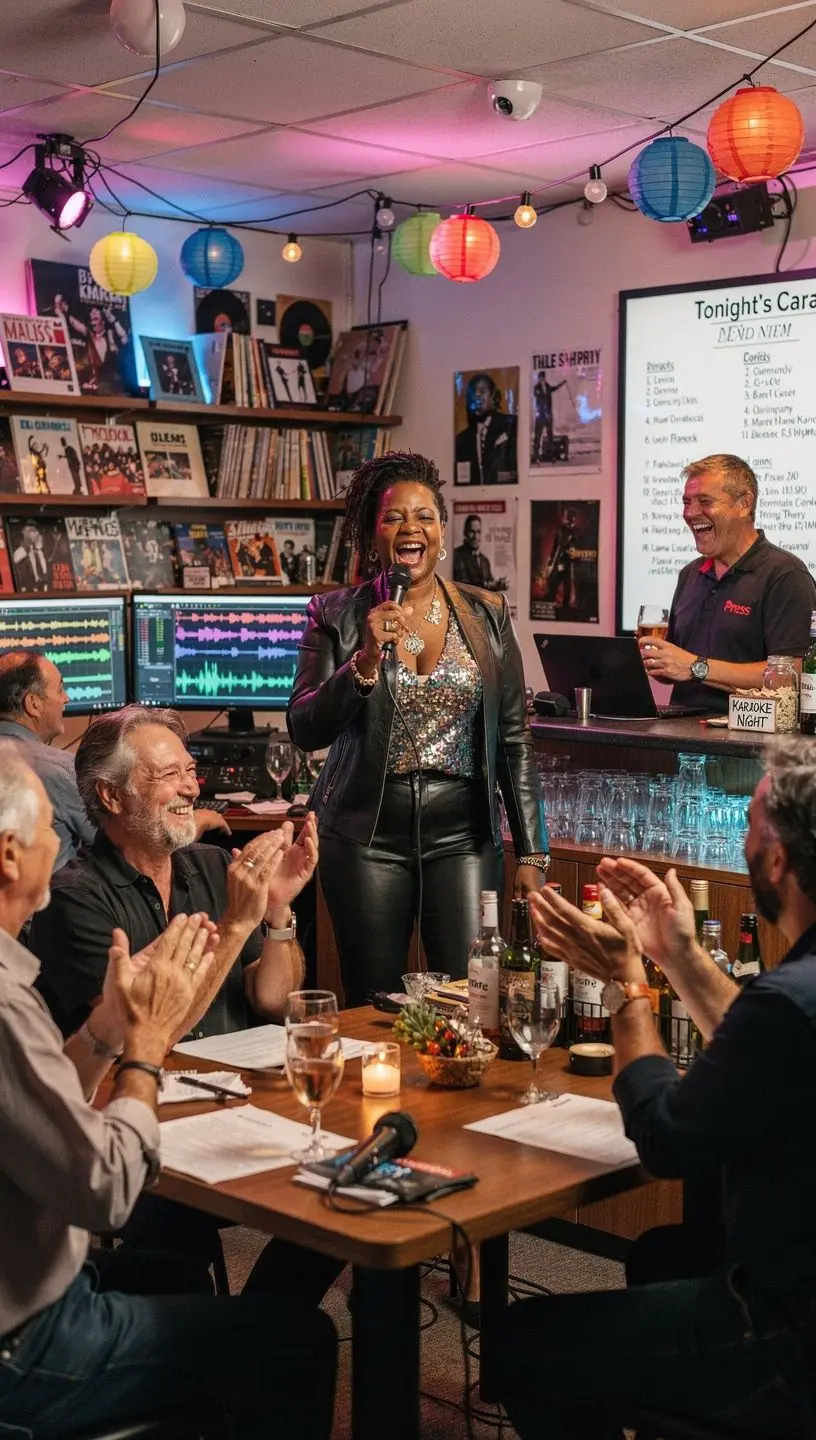
To keep audiences engaged, venues often host themed nights or special events targeting specific interests. This approach not only diversifies the offerings but also encourages community participation. Experts recommend that venues consider feedback from their audience to tailor events that best meet their needs.
Conclusion
The evolution of live music venues is a testament to the resilience of the music industry and its ability to adapt to changing societal norms. By understanding the historical context and current trends, venues can continue to thrive and provide valuable experiences for music lovers aged 40 to 60. As the landscape of live music continues to change, fostering a sense of community and nostalgia will remain central to their success.